

Do you often find yourself struggling to make ends meet at the end of each month?  The truth is, managing monthly expenses can be overwhelming for many, especially when unexpected costs arise. But here’s the good news: learning how to manage monthly expenses effectively can help you break free from this cycle, reduce financial stress, and even start saving for your future.
In this article, we’ll explore practical tips and actionable strategies that will not only help you track and reduce your spending but also empower you to take control of your financial health. Whether you’re new to budgeting or looking for smarter ways to manage your money, these simple, effective techniques will guide you toward a more secure and stress-free financial life. Keep reading to discover how small changes can make a big difference in your monthly expenses! 
 1. Understanding Monthly Expenses
To manage your monthly expenses effectively, it’s crucial to understand what they are and how they impact your finances. Let’s break it down in simple terms!

What Are Monthly Expenses?
Monthly expenses are the costs you incur on a regular basis throughout the month. These can be fixed or variable:
- Fixed Expenses are predictable and don’t change month to month. Examples include:
- Rent or mortgage payments

- Utility bills (electricity, water, internet)
- Insurance premiums

- Rent or mortgage payments
- Variable Expenses can fluctuate based on your lifestyle and choices. Examples include:
- Groceries

- Dining out

- Entertainment (movies, concerts, subscriptions)

- Groceries
Understanding these categories will help you see where your money is going and where adjustments can be made.
Why It’s Important to Know Your Monthly Expenses
By tracking your monthly expenses, you can gain clarity on:
- Spending habits: Identifying areas where you may be overspending.
- Budget creation: Allocating money efficiently to essentials, savings, and fun activities.
- Financial freedom: Reducing unnecessary expenses and freeing up cash for your goals.
Action Tip: Take a moment to list all of your monthly expenses—both fixed and variable. This will be your starting point for better expense management! 
2. How to Track Your Monthly Expenses
Tracking your monthly expenses is the key to understanding where your money goes. Without this awareness, it’s easy to lose control of your finances. Luckily, there are simple and effective ways to track your spending. Let’s dive into the best methods for you!
1. Use Budgeting Apps 
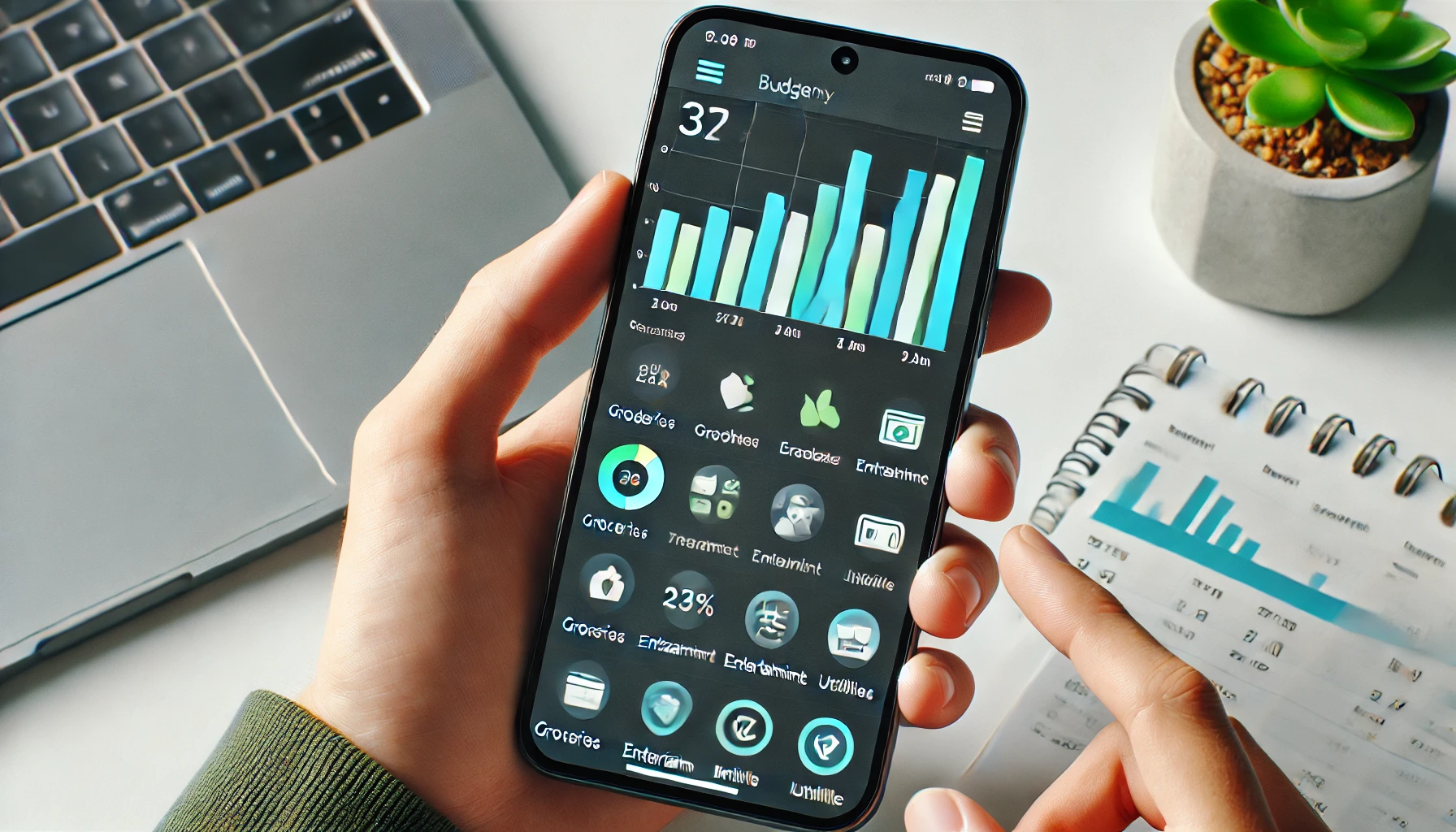
Budgeting apps are a quick and efficient way to track your expenses. They automatically categorize your spending and provide insights into your financial habits. Popular options include:
- Mint: Tracks all your expenses, categorizes them, and gives you alerts for bill payments.
- YNAB (You Need A Budget): A more detailed app for budgeting and managing expenses.
- PocketGuard: Automatically tracks your spending and helps you stay within your budget.
Action Tip: Download a budgeting app and link your bank account to start tracking your expenses automatically.
2. Spreadsheet Method 
If you prefer a more hands-on approach, using a spreadsheet (Google Sheets or Excel) is a great option. Here’s how to get started:
- Step 1: Create a table with columns for categories (e.g., Rent, Groceries, Entertainment).
- Step 2: Add a row for each day or week where you log your spending.
- Step 3: Sum up the total at the end of the month.
Action Tip: Use ready-made budgeting templates available online to save time and get started quickly.
3. Manual Tracking 
For those who enjoy the traditional method, you can jot down your expenses in a notebook. This might seem old-school, but it’s a useful way to stay mindful of your spending. Carry a small notebook or use a note-taking app on your phone to write down each expense.
Action Tip: Commit to writing down every expense as soon as it happens to avoid missing anything.
4. The 50/30/20 Rule for Simple Tracking 
If you’re unsure where to start, the 50/30/20 rule is an easy method to follow:
- 50% of your income should go to needs (rent, utilities).
- 30% should go to wants (entertainment, dining out).
- 20% should go to savings or debt repayment.
This structure helps you track your spending in a way that prioritizes financial security.
Action Tip: Set up your monthly budget using this simple rule, and track where each dollar goes.
By consistently tracking your monthly expenses, you can identify areas where you might be overspending and find ways to save more effectively. Whether you use an app, spreadsheet, or manual method, the goal is to create a clear picture of your spending habits, which will lead to better financial decisions!
3. Practical Tips for Reducing Monthly Expenses
Reducing your monthly expenses doesn’t require drastic changes. With a few smart moves, you can cut back on unnecessary spending while still enjoying life. Let’s look at some practical tips that can make a big difference!

1. Cut Back on Non-Essential Spending 
The easiest way to save is by identifying and cutting back on non-essential expenses:
- Dining Out: Try cooking at home more often . It’s healthier, cheaper, and gives you more control over what you’re spending.
- Subscriptions: Cancel unused or underused subscriptions like streaming services, gym memberships, or magazine subscriptions
 . You’ll be surprised at how much these add up!
 - Impulse Purchases: Avoid shopping sprees by sticking to a shopping list and waiting 24 hours before buying something non-essential
 .
.
Action Tip: Track your discretionary spending (like entertainment and shopping) and aim to reduce it by 20-30% each month.
2. Lower Your Utility Bills
Your monthly utility bills can add up quickly, but with a few small changes, you can save on energy and water:
- Switch to Energy-Efficient Appliances: Look for products with an energy-efficient label
 .
. - Unplug Electronics: Unplug devices when not in use to avoid “phantom” energy usage
 .
. - Use LED Bulbs: They use less energy and last longer than traditional bulbs .
Action Tip: Check your utility provider for discounts or programs that help reduce your bills, like energy-saving tips or low-income assistance programs.
3. Reduce Your Grocery Bill 
Food expenses often make up a large portion of your monthly budget, but there are plenty of ways to save:
- Plan Meals Ahead: Meal planning helps avoid impulse buys and reduces food waste
 .
. - Shop in Bulk: Buy non-perishable items like grains, pasta, and canned goods in bulk for lower prices
 .
. - Use Coupons and Deals: Take advantage of store discounts, apps, and websites that offer coupons
 .
.
Action Tip: Create a shopping list and stick to it—avoid buying items that aren’t on the list to prevent unnecessary spending.
4. Save on Transportation Costs 
Transportation can take a big chunk of your budget, but there are several ways to cut back:
- Carpool or Use Public Transportation: Save on gas and parking by sharing rides with others or taking public transport
 .
. - Bike or Walk When Possible: If you’re close to work or the store, consider walking or biking—it’s healthy and free
 .
. - Compare Gas Prices: Use apps to find the cheapest gas stations nearby
 .
.
Action Tip: If possible, consider trading in your car for a more fuel-efficient model or use car-sharing services when needed.
By taking small steps to reduce your monthly expenses, you’ll be able to save more without sacrificing your lifestyle. These tips are simple to implement, and the results will compound over time. Start with one area, and gradually work your way to cutting back in others!
4. Building Emergency Savings: Why It’s Vital
An emergency fund is one of the most important financial tools you can have. It acts as a safety net, helping you stay financially secure during unexpected situations, like medical emergencies, car repairs, or job loss. Let’s break down why it’s crucial and how to start building yours today!

What is an Emergency Fund?
An emergency fund is money you set aside specifically for unforeseen events. Unlike regular savings, this fund is for unexpected expenses that could disrupt your financial stability.
Why It’s Vital:
- Provides Financial Security: Knowing you have money set aside for emergencies gives you peace of mind .
- Prevents Debt: Without an emergency fund, you may rely on credit cards or loans to cover unexpected costs, leading to debt .
- Stabilizes Your Budget: It helps you avoid scrambling to find money when life throws curveballs your way.
How Much Should You Save?
A good rule of thumb is to save 3 to 6 months’ worth of living expenses. This includes your rent, utilities, groceries, transportation, and other essentials.
- 3 months’ worth is a good start if you’re living paycheck to paycheck.
- 6 months’ worth is ideal for a more secure financial cushion.
Action Tip: Start small if needed, but aim to gradually build this fund until you feel financially secure.
How to Start Building Your Emergency Fund
Building an emergency fund doesn’t have to be overwhelming. Here are simple steps to get started:
- Set a Realistic Goal: Start by setting a target amount based on your monthly expenses.
- Save a Little Each Month: Even saving $50 or $100 each month adds up over time. Automate your savings to make it easier.
- Keep It Separate: Open a separate savings account for your emergency fund to avoid spending it on non-emergencies.
- Use Windfalls: Tax refunds, bonuses, or extra income are perfect for adding a little extra to your emergency savings.
Action Tip: Try saving 10% of your monthly income until you’ve built a solid emergency fund.
An emergency savings fund is more than just a financial cushion—it’s a key step toward building long-term financial security. By starting small and being consistent, you’ll have the peace of mind that comes with knowing you’re prepared for life’s uncertainties.
5. Managing Debt: Staying on Top of Payments
Debt can be a heavy burden, but with the right strategies, you can manage it effectively and regain control of your finances. Let’s dive into practical tips for staying on top of debt payments and minimizing its impact on your monthly expenses.

How Debt Affects Your Monthly Budget
Debt is a common challenge for many, but it can quickly spiral out of control if not managed properly. Here’s how it affects your budget:
- Interest Payments: High-interest debts (like credit card balances) can eat up a significant portion of your income, leaving less for other essentials
 .
. - Reduced Flexibility: Debt limits your ability to save or invest, as more of your money goes toward servicing loans
 .
. - Stress and Financial Strain: Constantly worrying about debt payments can cause anxiety and hinder your financial progress
 .
.
Action Tip: Prioritize paying off high-interest debt first to free up cash for savings and other important goals.
Strategies for Paying Down Debt
There are two popular strategies to manage and pay off debt effectively:
- Debt Snowball Method:
- Pay off your smallest debt first, then move to the next smallest, and so on. This provides psychological momentum as you knock out debts one by one
 .
. - Action Tip: Once the smallest debt is paid off, use the money you were paying towards it to tackle the next debt.
- Pay off your smallest debt first, then move to the next smallest, and so on. This provides psychological momentum as you knock out debts one by one
- Debt Avalanche Method:
- Focus on paying off the highest-interest debt first. This saves you money on interest in the long run
 .
. - Action Tip: Direct all extra payments towards the debt with the highest interest while maintaining minimum payments on others.
- Focus on paying off the highest-interest debt first. This saves you money on interest in the long run
Consolidating Debt: Is It Right for You?
If you have multiple debts with different due dates, consolidating them into one loan or credit line might be a good option. This can:
- Lower your interest rate

- Simplify payments with one due date

- Make it easier to track your progress
Action Tip: Look into debt consolidation options such as personal loans or balance transfer credit cards to simplify your debt payments.
Automate Your Payments
One of the easiest ways to avoid missing debt payments is by automating them. Set up automatic payments for your loans and credit cards to ensure you never miss a due date. This will:
- Help you avoid late fees
- Improve your credit score

- Keep your debt under control
Action Tip: Schedule automatic payments for at least the minimum amount due to avoid late charges and potential damage to your credit.
Managing debt is essential for maintaining financial health and staying on top of your monthly expenses. By using strategies like the debt snowball or avalanche methods, consolidating debt, and automating payments, you can make significant progress towards becoming debt-free. Stay consistent, and soon you’ll have more freedom to focus on saving and achieving your financial goals.
6. The Role of Financial Goals in Managing Expenses
Setting clear financial goals is one of the most powerful ways to manage your monthly expenses effectively. When you have specific goals in mind, you’re more motivated to track your spending, cut unnecessary costs, and stay on course to achieve financial stability. Let’s explore how financial goals can guide your spending habits and help you stay financially healthy.

Why Financial Goals Matter
Financial goals act as a roadmap, guiding your spending decisions and helping you prioritize what truly matters. They give your budget purpose and keep you focused on the bigger picture:
- Direction: Without goals, it’s easy to waste money on things that don’t align with your long-term aspirations
 .
. - Motivation: Having clear goals makes it easier to stick to a budget, especially when you’re tempted to overspend on non-essentials
 .
. - Clarity: Financial goals help you decide where to allocate your money, whether it’s for debt repayment, savings, or investments .
Action Tip: Write down your financial goals—big or small—and refer to them regularly to stay focused.
Setting SMART Financial Goals
To make your financial goals effective, ensure they are SMART:
- Specific: Clearly define your goal (e.g., save $5,000 for a down payment).
- Measurable: Track progress with numbers (e.g., save $400 per month).
- Achievable: Set a goal that’s realistic based on your income and expenses.
- Relevant: Make sure the goal aligns with your overall financial priorities.
- Time-bound: Set a deadline (e.g., save $5,000 in 12 months).
Action Tip: Start with one short-term goal (e.g., saving for a vacation) and one long-term goal (e.g., building an emergency fund).
Aligning Monthly Expenses with Your Goals
Once your financial goals are set, it’s time to adjust your monthly expenses to align with them. Here’s how:
- Prioritize Goals: Allocate your money first to essential goals (like savings or debt repayment) before spending on non-essentials .
- Track Progress: Regularly check if your spending aligns with your goals and make adjustments as needed
 .
. - Cut Back Where Necessary: If you’re falling short of your goals, consider reducing discretionary spending (e.g., dining out, shopping) to stay on track .
Action Tip: Revisit your goals monthly to make sure you’re progressing and adjust your budget if necessary.
Setting and working toward financial goals can transform the way you manage your expenses. When you know what you’re saving for, it becomes easier to stay disciplined with your spending and make informed choices. Start small, stay consistent, and watch your financial confidence grow!
7. How Technology Can Help with Expense Management
In today’s digital age, managing your monthly expenses has never been easier thanks to technology. With a variety of tools and apps, you can track, analyze, and optimize your spending in ways that were once impossible. Let’s explore how technology can simplify the process of staying on top of your finances.
1. Budgeting Apps: Your Financial Assistant
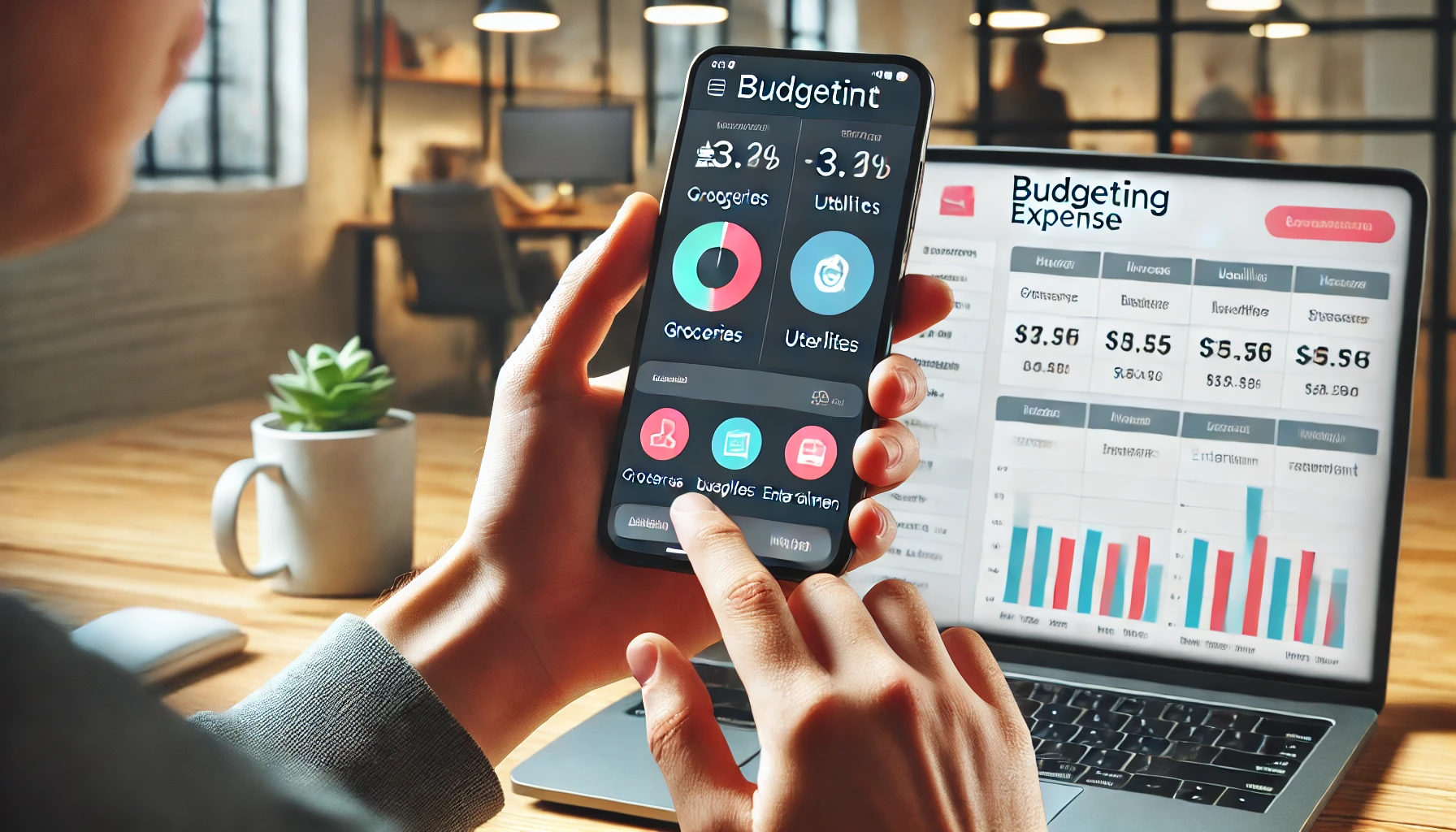
Budgeting apps are game-changers when it comes to expense management. They automate the tracking process and categorize your spending, giving you real-time insights into where your money is going. Popular options include:
- Mint: Tracks spending, creates budgets, and alerts you to bill due dates.
- YNAB (You Need A Budget): Focuses on giving every dollar a job and helping you achieve your financial goals.
- PocketGuard: An easy-to-use app that helps you see how much disposable income you have after bills and savings.
Action Tip: Download a budgeting app that fits your needs and sync your bank accounts for automatic tracking.
2. Expense Tracking Tools: Keep Everything in One Place
Expense tracking tools help you monitor your spending habits and provide detailed reports. By tracking all your purchases, you’ll be able to identify patterns and make informed decisions about your spending:
- Spendee: Connects to your bank accounts and lets you track expenses in various categories.
- Expensify: Ideal for tracking receipts, especially if you have frequent business expenses.
- GoodBudget: A virtual envelope system that helps you stick to your budget by setting aside money for different spending categories.
Action Tip: Set up a weekly or monthly review to track your expenses and identify any spending leaks.
3. Automated Payments and Savings 
Automation can take the pressure off remembering to pay bills or transfer money into savings. With automatic payments, you can:
- Pay Bills On Time: Set up automatic payments for your bills to avoid late fees and ensure timely payments.
- Save Consistently: Automate savings by scheduling regular transfers to a dedicated savings account or investment fund.
Action Tip: Set up automatic transfers to your emergency fund or debt repayment account each payday to make saving effortless.
4. Financial Management Software for Detailed Insights 
For more advanced users, financial management software offers comprehensive tools to track and analyze your finances:
- Personal Capital: Offers a dashboard that tracks both spending and investments, providing a full picture of your financial health.
- Quicken: A long-standing software that helps you track expenses, plan for taxes, and even plan retirement.
Action Tip: Use these tools for a more detailed view of your financial situation, especially if you have complex finances like investments or loans.
Technology makes managing your monthly expenses not only easier but more efficient. By using budgeting apps, expense tracking tools, and automating payments, you can streamline your financial management and stay on top of your goals. Start leveraging technology today to build a healthier, more organized financial future!
Managing your monthly expenses doesn’t have to be overwhelming. With the right tools, strategies, and a clear understanding of your financial goals, you can take control of your finances and reduce stress. Whether it’s tracking your spending, cutting back on unnecessary costs, or building an emergency fund, small changes can make a big difference over time.
Remember, financial success is a journey, not a destination. Start with simple steps, stay consistent, and revisit your goals regularly. By prioritizing your financial health today, you’ll be able to enjoy a more secure and stress-free future.