

Picture this: you’ve just driven off the lot in your dream car, the open road ahead, and a grin from ear to ear. But then the first insurance bill arrives, followed by a fuel receipt that makes your wallet wince. Suddenly, the thrill of car ownership feels like a financial tightrope. If this sounds familiar, you’re not alone. For many, managing budget motors—keeping car ownership affordable without sacrificing reliability or safety—is a daunting challenge. The good news? With smart money management, you can enjoy your ride without breaking the bank. In this guide, we’ll share seven expert-backed tips to help you save thousands on car ownership, from choosing the right vehicle to slashing insurance and maintenance costs. Backed by years of experience in personal finance and automotive cost analysis, these strategies are designed to empower you to take control of your car-related expenses.
Why Budget Motors Matter: The True Cost of Car Ownership
Breaking Down Car Ownership Costs
Owning a car is more than just paying the sticker price. According to AAA’s 2024 study, the average annual cost of owning a vehicle in the U.S. is $12,182, or roughly $1,015 per month. This includes:
- Purchase/Loan Payments: The upfront or monthly cost of the car.
- Insurance: Annual premiums averaging $1,765 for full coverage.
- Fuel: Around $1,500–$2,000 yearly for a typical driver.
- Maintenance and Repairs: Routine upkeep ($500–$1,000) and unexpected fixes ($1,000+).
- Registration and Taxes: Vary by state but can add hundreds annually.
- Depreciation: The biggest hidden cost, with new cars losing 20–30% of their value in the first year.
For example, a compact car like a Honda Civic costs about $9,500 annually to own, while an SUV like a Ford Explorer can exceed $13,000. Understanding these costs is the first step to mastering budget motors.
The Financial Impact Beyond the Sticker Price
Beyond the obvious expenses, hidden costs can derail your budget. Financing a car with a high-interest loan can add thousands in interest over five years. Parking fees, tolls, and even car washes add up. Poor financial choices—like buying a car beyond your means—can lead to long-term debt or missed savings goals. To stay on track, use budgeting apps like Mint or YNAB to monitor car-related expenses. Transparency is key to avoiding financial surprises.
Tip: Create a dedicated “car fund” in your budget to cover all vehicle-related costs, ensuring you’re never caught off guard.
Tip 1: Choose the Right Car for Your Budget
Prioritize Affordability Over Flash
The car you drive should reflect your financial reality, not just your aspirations. Opting for a reliable, fuel-efficient model can save you thousands over time. For instance, a 2023 Toyota Corolla or Honda Civic offers low maintenance costs and excellent fuel economy, making them ideal for budget motors. In contrast, luxury brands like BMW or Mercedes often come with steep repair bills and higher insurance premiums.
Consider buying a certified pre-owned (CPO) vehicle, which undergoes rigorous inspections and often includes extended warranties. For example, a 2020 CPO Honda Civic might cost $18,000 compared to $25,000 for a new model, saving you $7,000 upfront while maintaining reliability.
Research Total Ownership Costs
Before signing on the dotted line, use tools like Edmunds’ True Cost to Own or Kelley Blue Book’s 5-Year Cost to Own calculator. These tools estimate long-term expenses, including depreciation, fuel, and maintenance. For instance, a 2023 Hyundai Elantra has a 5-year ownership cost of about $33,000, while a similar-sized luxury sedan might exceed $50,000.
Expert Insight: “Choosing a car isn’t just about the monthly payment—it’s about the total cost over years,” says Sarah Thompson, a certified financial planner with over a decade of experience. “CPO vehicles are often the sweet spot for budget-conscious buyers.”
Tip: Avoid models with high repair costs or poor reliability ratings, even if the upfront price seems attractive. Check Consumer Reports for reliability data.
Tip 2: Master the Art of Car Financing
Secure the Best Loan Terms
Financing a car can make or break your budget. A 1% difference in interest rates can save thousands over a loan’s life. For example, a $20,000 loan at 4% interest over 5 years costs $2,209 in interest, while 5% costs $2,764—a $555 difference. To get the best rates:
- Check Your Credit Score: A score above 700 often secures lower rates. If your score is lower, take steps to improve it before applying.
- Shop Around: Compare offers from banks, credit unions, and dealerships. Online lenders like LightStream often have competitive rates.
- Negotiate: Don’t accept the first offer. Use competing quotes to leverage a better deal.
Consider Leasing vs. Buying
Leasing can be a budget-friendly option for those who prefer lower monthly payments and don’t drive high mileage. For instance, leasing a 2023 Nissan Sentra might cost $250/month, while buying could be $400/month. However, leasing means you don’t own the car, and excess mileage or wear-and-tear fees can add up.
Expert Insight: “Leasing works best for disciplined drivers who stick to mileage limits and plan to upgrade every few years,” says Michael Rivera, a financial advisor specializing in automotive purchases.
Tip: When leasing, negotiate the capitalized cost (the car’s price) to lower monthly payments, just as you would when buying.
Tip 3: Save Big on Car Insurance
Shop Around for the Best Rates
Car insurance is a major expense, but you can save hundreds by comparing quotes. For example, a 30-year-old driver might pay $1,200 annually with Geico but $1,600 with Allstate for similar coverage. Use comparison sites like The Zebra or get quotes directly from insurers like Progressive or State Farm. Factors affecting premiums include:
- Driving Record: A clean record lowers rates.
- Car Model: Budget-friendly cars like a Mazda 3 cost less to insure than luxury models.
- Coverage Levels: Full coverage costs more but is essential for financed or newer cars.
Example: Bundling auto and home insurance with one provider can save up to 25%, or $300–$500 annually, based on 2024 industry data.
Optimize Coverage for Savings
Balancing coverage is key to budget motors. If your car is older and paid off, consider dropping comprehensive and collision coverage for liability-only, which can cut premiums by 40%. However, ensure you have an emergency fund to cover repairs. Increasing your deductible from $500 to $1,000 can also lower premiums by 15–20%.
Expert Insight: “Telematics programs, like Progressive’s Snapshot, reward safe driving with discounts up to 30%,” says Laura Adams, an insurance broker with 15 years of experience.
Tip: Ask about discounts for safe driving, low mileage, or completing a defensive driving course.
Tip 4: Reduce Fuel Costs with Smart Driving Habits
Adopt Fuel-Efficient Driving Techniques
Fuel costs can eat into your budget, but small changes in driving habits can yield big savings. For instance, avoiding rapid acceleration and maintaining speeds of 50–60 mph can improve fuel economy by 10–20%. Other tips include:
- Check Tire Pressure: Underinflated tires reduce fuel efficiency by up to 3%.
- Reduce Idling: Turn off the engine during long stops to save gas.
- Plan Routes: Combine errands to minimize driving distance.
Example: Improving fuel efficiency from 25 to 30 MPG on a 15,000-mile annual commute saves about $200 yearly at $3.50/gallon.

Explore Fuel-Saving Technologies
Hybrid and electric vehicles (EVs) are game-changers for budget motors. A 2023 Toyota Prius hybrid gets 58 MPG, compared to 30 MPG for a non-hybrid sedan, saving $600 annually on fuel. EVs like the Nissan Leaf have even lower operating costs, especially with federal tax credits up to $7,500.
Tip: Use apps like GasBuddy to find the cheapest fuel stations, potentially saving $100–$200 per year.
Tip 5: Cut Maintenance and Repair Costs
Follow a Proactive Maintenance Schedule
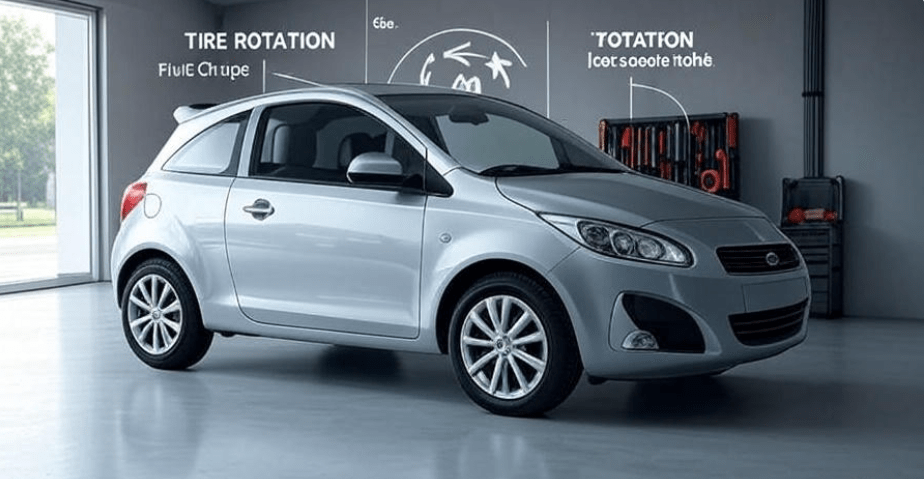
Regular maintenance prevents costly repairs. Follow your car’s manufacturer schedule for oil changes (every 5,000–7,500 miles), tire rotations (every 6,000 miles), and fluid checks. For example, skipping oil changes can lead to engine sludge, costing $3,000–$7,000 to repair.
Sample Maintenance Checklist:
- Monthly: Check tire pressure, fluids, and lights.
- Every 6 months: Rotate tires, replace wiper blades.
- Annually: Inspect brakes, battery, and belts.
DIY vs. Professional Repairs
Simple tasks like replacing air filters or wiper blades can be done at home for $10–$20, compared to $50+ at a shop. For complex repairs, choose trusted mechanics or chains like Firestone. Check reviews on Yelp or AAA-approved shops to avoid overcharges.
Expert Insight: “Preventive maintenance is like investing in your car’s future,” says John Carter, a certified mechanic with 20 years of experience. “A $30 oil change can save you thousands in engine repairs.”
Tip: Keep a maintenance log to track services and support warranty claims.
Tip 6: Plan for Unexpected Expenses
Build an Emergency Car Fund
Unexpected car expenses, like a blown tire or a faulty alternator, can derail even the best budget. To stay prepared, set aside $50–$100 monthly in a dedicated emergency car fund. Over a year, this builds a $600–$1,200 buffer, enough to cover common repairs like brake replacements ($500–1,000) or battery swaps ($100–$200). Without this fund, you might resort to high-interest credit cards or dip into other savings, jeopardling financial stress.
Example: A sudden transmission repair costing $2,000 can be a budget-killer. With a $1,000 emergency fund, you’d only need to cover half out-of-pocket, making it more manageable.
Tip: Automate monthly transfers to a high-yield savings account to grow your fund faster—accounts like Ally Bank offer 4%+ APY in 2025.

Use Warranties and Roadside Assistance Wisely
Leveraging warranties can save hundreds on repairs. Most new cars come with a 3-year/36,000-mile bumper-to-bumper warranty and a 5-year/60,000-mile powertrain warranty. Certified pre-owned vehicles often extend these terms. Review your warranty documents to understand what’s covered—parts like brakes or batteries may qualify.
Roadside assistance plans, like those from AAA ($60–$100/year) or included with insurance policies, provide peace of mind for breakdowns, flat tires, or towing. These services can prevent costly impromptu expenses, especially for older vehicles.
Expert Insight: “Warranties are your safety net—don’t let them go to waste,” says Emily Nguyen, an automotive consultant with 12 years of experience. “Keep records organized to streamline claims.”
Tip: Store warranty and roadside assistance details in a digital folder or app like Evernote for quick access during emergencies.
Tip 7: Maximize Resale Value to Save Long-Term
Maintain Your Car’s Condition
A well-maintained car retains significantly more resale value, turning your budget motors strategy into long-term savings. Regular cleaning, both interior and exterior, prevents wear that lowers value. For example, a 2020 Toyota Camry with documented maintenance and no cosmetic damage might resell for $18,000, while a neglected one could fetch only $14,000—a $4,000 loss.
- Exterior Care: Wash monthly and wax twice yearly to protect paint.
- Interior Care: Vacuum regularly and use seat covers to prevent stains.
- Maintenance Records: Keep receipts for all services to prove consistent upkeep.
Example: Data from Kelley Blue Book shows that cars with complete maintenance histories sell for 10–15% more than those without.

Time Your Sale Strategically
Timing your car sale can boost returns. Spring and summer are ideal for selling convertibles or sports cars, while SUVs and trucks move faster in fall. Platforms like Carvana or CarMax offer quick sales with competitive prices, while private sales via Craigslist or Facebook Marketplace may yield higher returns but require more effort.
Expert Insight: “Market trends matter—sell when demand for your car type peaks,” says David Lee, a car resale expert with 15 years in the industry. “Check local market data to price competitively.”
Tip: Use tools like Kelley Blue Book or Edmunds to estimate your car’s value before listing, ensuring you don’t undersell.
FAQs About Budget Motors and Car Ownership
How Much Should I Budget for Annual Car Ownership Costs?
Annual costs vary by vehicle type, driving habits, and location. According to AAA’s 2024 data, expect $9,500–$13,000 for a typical sedan, including fuel, insurance, maintenance, and depreciation. Budget-conscious drivers can aim for the lower end by choosing fuel-efficient models and shopping for affordable insurance.
Is It Cheaper to Buy a Used Car or a New One on a Budget?
Used cars are generally cheaper upfront and depreciate less, making them ideal for budget motors. A new 2023 Honda Civic costs $25,000, while a 2020 CPO model might be $18,000, saving $7,000. However, new cars often have lower maintenance costs and better warranties. Weigh your priorities and use cost-of-ownership calculators to decide.
How Can I Negotiate a Better Deal on a Car Purchase?
Research the car’s market value using Edmunds or Kelley Blue Book. Get pre-approved for a loan to strengthen your position. Compare offers from multiple dealers and use them to negotiate. For example, if Dealer A offers $20,000, show Dealer B’s $19,500 quote to drive the price down.
What Are the Most Reliable Budget-Friendly Car Brands?
Toyota, Honda, Hyundai, and Mazda consistently rank high for reliability, per Consumer Reports 2024 rankings. Models like the Toyota Corolla, Honda Civic, or Hyundai Elantra offer low maintenance costs and strong resale value, perfect for budget-conscious drivers.
How Do I Know If I’m Overpaying for Car Insurance?
Compare quotes from at least three insurers. If your premium exceeds 5–7% of your car’s value annually (e.g., $1,000 for a $15,000 car), you might be overpaying. Check for discounts (e.g., safe driver, multi-policy) and consider raising deductibles to lower costs.
Expert Insights: Money Management for Long-Term Savings
Budgeting for Car Ownership
A solid budget is the backbone of budget motors. Create a monthly plan that allocates funds for:
- Loan/Lease Payments: 10–15% of your income (e.g., $300–$450 on a $30,000 salary).
- Insurance: $100–$150 for full coverage on a budget-friendly car.
- Fuel: $100–$200, depending on mileage and gas prices.
- Maintenance: $50–$100 for routine upkeep.
- Emergency Fund: $50–$100 for unexpected repairs.
Use budgeting tools like Mint or YNAB to track expenses. A sample budget for a $30,000 earner might look like:
| Category | Monthly Allocation |
|---|---|
| Loan Payment | $350 |
| Insurance | $120 |
| Fuel | $150 |
| Maintenance | $75 |
| Emergency Fund | $50 |
| Total | $745 |

Advice from Financial and Automotive Experts
“Think of your car as a financial asset, not just transportation,” says Sarah Thompson, CFP. “Every decision—from the model you choose to how you maintain it—impacts your wallet long-term.” Mechanic John Carter adds, “Regular maintenance isn’t just about preventing breakdowns; it’s about preserving value for when you sell.”
Conclusion
Owning a car doesn’t have to drain your finances. By choosing an affordable vehicle, securing smart financing, optimizing insurance, cutting fuel costs, maintaining proactively, planning for emergencies, and maximizing resale value, you can master budget motors and keep more money in your pocket. Start with one or two of these tips today—perhaps researching a CPO car or comparing insurance quotes—and build a sustainable plan over time. Download our free car budget template [link to internal resource] or share your own money-saving tips in the comments below. With these strategies, affordable car ownership is not just possible—it’s empowering.